
EducateLink
-
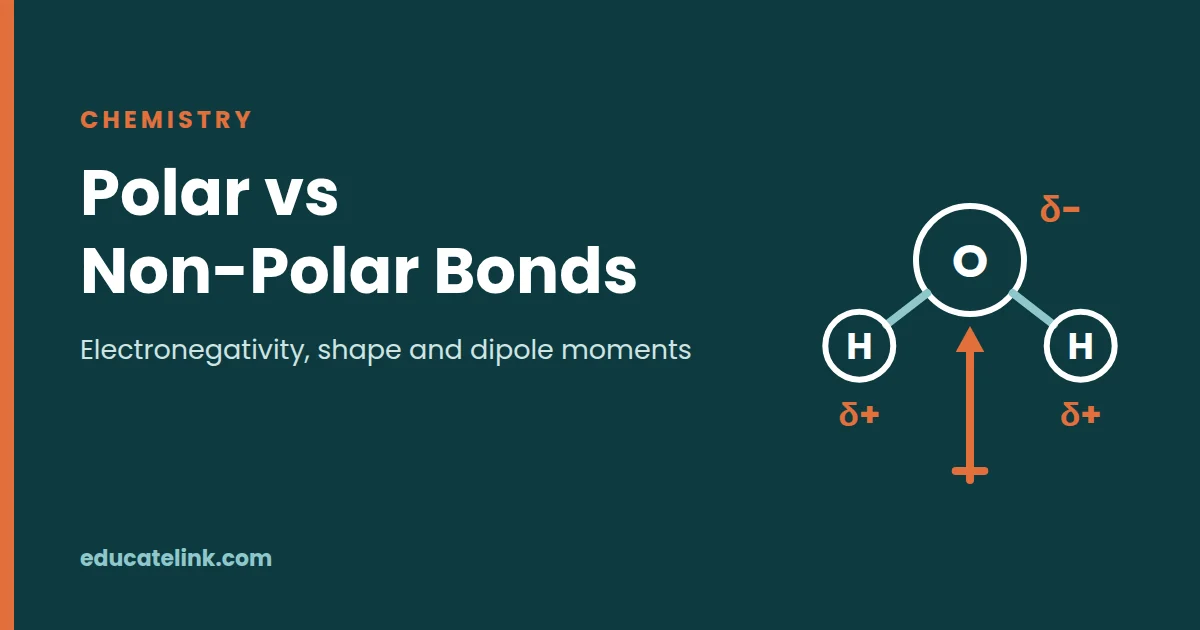
Polar vs Non-Polar Covalent Bonds and Molecules: Electronegativity, Shape and Worked Examples
How to tell polar from non-polar covalent bonds using electronegativity, and why molecular shape decides whether a molecule is polar.
-
Cold-Blooded vs Warm-Blooded Animals: Definitions, Differences and Examples
Ectotherms and endotherms in plain language, with diagrams, worked examples, tricky cases such as tuna and hummingbirds, and practice questions.
-
Abiotic Factors: Definition, Examples and Abiotic vs Biotic Factors
What abiotic factors are, how each one affects living things, how they differ from biotic factors, and how to measure…
-
Solute vs Solvent: Definitions, Main Differences, Examples and Concentration Calculations
What solutes, solvents and solutions are, how they differ, why water dissolves so much, and how to calculate concentration.
-

Parts of a Microscope and Their Functions (Labelled Diagram)
A labelled diagram of the compound light microscope, what each part does, and how to work out magnification, field of…
-
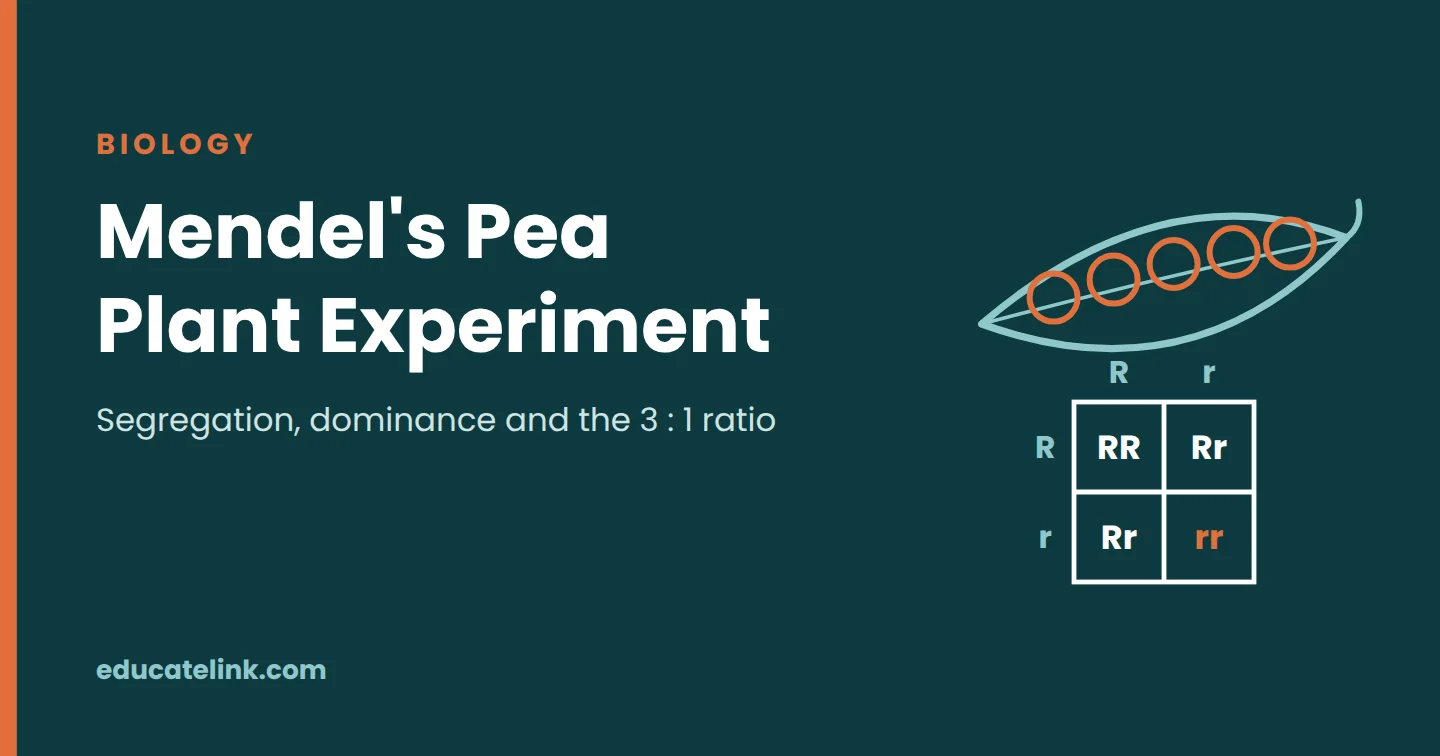
Mendel’s Pea Plant Experiment and the Law of Segregation
How Mendel’s pea crosses revealed the law of segregation, with his real counts, Punnett squares, a chi-square check and practice…
-
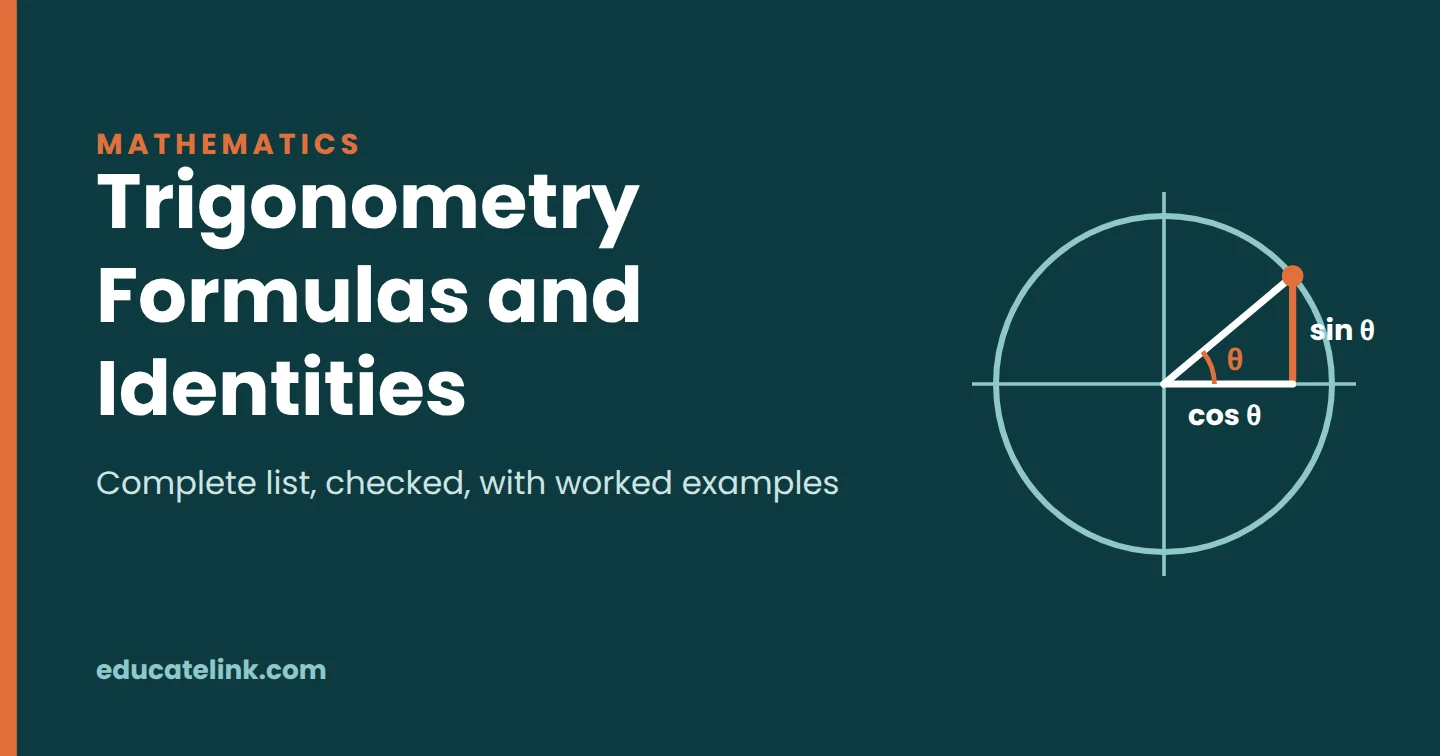
Trigonometry Formulas and Identities: Complete List with Examples
Every standard trigonometry formula and identity in one checked list, with exact values, the sine and cosine rules and worked…